Lethal Ape Experience Lab Monster Guide
Who owns the fluorescent halls — and which junctions you should simply close.
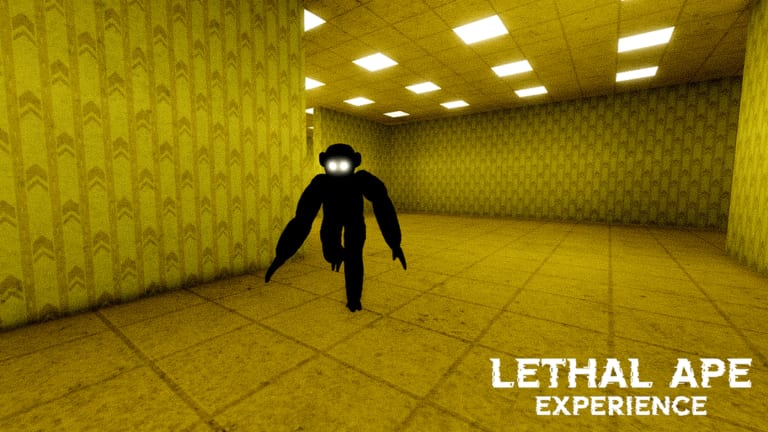
The facility is the original promise of Lethal Ape Experience: abandoned rooms, failed experiments, and hunters that do not share one patrol script. This page is the indoor half of the monster roster. Outdoor bodies live on forest monsters.
Bring headphones. The official page is not joking. Metal beds and door slams are the lab’s language.
Hallway sight types
Long corridors with working lights belong to hunters that need a cone. They lose you behind a hard corner and they punish a second peek on the same plane. Travel along walls. Cross the center only when you have already heard them leave.
If a hall has a broken light in the middle, treat the dark patch as their preferred commit point. Camera-peek it as taught in controls.
Stairwell sound types
Stairs compress footsteps. A sprint on metal is a dinner bell. Sound types love vertical spaces because you have fewer sideways exits. Walk. Close the door at the top without slamming. If you hear a matching step that is not yours, go back to the floor you just left instead of racing them to the next landing.
This is the S-tier geometry on the monster tier list. Ego loses here.
Storage ambushes
Shelves look like cover and act like a maze. Ambush types wait past the first row. Circle the walls of a storage room before you touch the center crate. If the room has one door, it is optional content. Mark it and leave. How to Beat Monsters calls this the hide-spot test.
Overlap rooms
Some labs sit between a stair and a long hall. Those rooms are not puzzles. When two cues play at once, the room is closed. Extract toward the escape plan you already picked. Do not “check one more desk.”
Reading other apes
A 20-player server fills the lab with false cues. Nameplates help. If you see no name and the step is heavy, it is a hunter. If a stranger sprints your hall, hide and let them donate the sound. Do not follow their corpse into the dark; that tile is still occupied.
Naming policy
We will add a proper name when the death screen, a billboard, or a studio post prints one for this place ID. We will not backfill Gus or a 52-name list. If you have a screenshot of an in-game label, it belongs in a future revision of this page, not in a comment that just says “the tall one.”
Practice one indoor type per session. Then take the survival checklist into Forest only after a clean lab loop. Indoor discipline is the price of admission for the outdoor layer.
A lab-only night
Set a win condition that never mentions Forest. Open two new rooms, hear one cue, extract. If you die on stairs, the next run is stairs-only walking. If you die in storage, the next run skips every one-door closet. Indoor types teach faster when you stop mixing biomes.
Write the cue on the monster cues sheet before you queue again. A lab roster that lives only in your memory will lose to the next fluorescent swap. Paper — or this wiki tab — is cheaper than another pride wipe in the same junction.
Frequently Asked Questions
Quick answers to the most common questions.
Which lab monster should I learn first?
Sight types in long halls. They teach camera peeks without the stairwell sound tax.
Are lab monsters harder than Forest ones?
Tight geometry is harder for sound types. Forest is harder for getting lost. Different exams.
Do lab hunters leave their floor?
Some chase; some occupy. If a chase lasts through two doors, assume they can leave. Break line of sight, then go still.
Is the lab layout fixed?
It is a beta. Junctions persist more than decorations. Re-learn after a title-screen patch.